"Mark was memorable! He also sang a song he wrote! Goosebumps!"
Easter Island · Hanga Roa · Anakena
Rapa Nui Stargazing Tour — Easter Island Under the Southern Sky
Stand beneath the Southern Cross and the Magellanic Clouds on one of the most remote islands on Earth — a small-group Rapa Nui stargazing tour with local guides, telescopes, and Polynesian celestial-navigation lore, the moai silhouetted under the stars.
From
$140
per person
Free cancellation
- 4.2 / 5 22+ Reviews
- Darkest Skies Near-Zero Light Pollution
- English & Spanish Local Rapanui Guides
- Free Cancellation
The Experience
Why Stargaze on Rapa Nui
One of the planet's most remote inhabited islands — and one of its darkest, clearest southern skies.
Highlights
- Learn how Polynesian voyagers used the night sky to guide their journeys
- View stars and planets through a telescope at a remote observation site
- Access to Ahu Nau Nau at night, coffee break, and digital photo are included
What's Included
- Driver/guide
- Live commentary on board
- Hotel Drop-off
- Digital Photo
- Option to take your own photos
- Hot chocolate and local cake
How the Rapa Nui Stargazing Tour Works
Four steps from Hanga Roa to the Milky Way over the moai.
Get Picked Up in Hanga Roa
Your local guide collects you from your accommodation in Hanga Roa, the island's only town, after sunset — no need to navigate Rapa Nui's unlit roads in the dark yourself.
Drive to a Dark-Sky Site
Head away from the few town lights to an open coastal spot with an unobstructed horizon. With near-zero light pollution, the Milky Way appears almost immediately as your eyes adjust.
Read the Southern Sky
Through the telescope and with the naked eye, find the Southern Cross, the two Magellanic Clouds, planets and nebulae — while your guide shares the Polynesian wayfinding stars that brought the first settlers to Rapa Nui.
The Stars Over the Moai
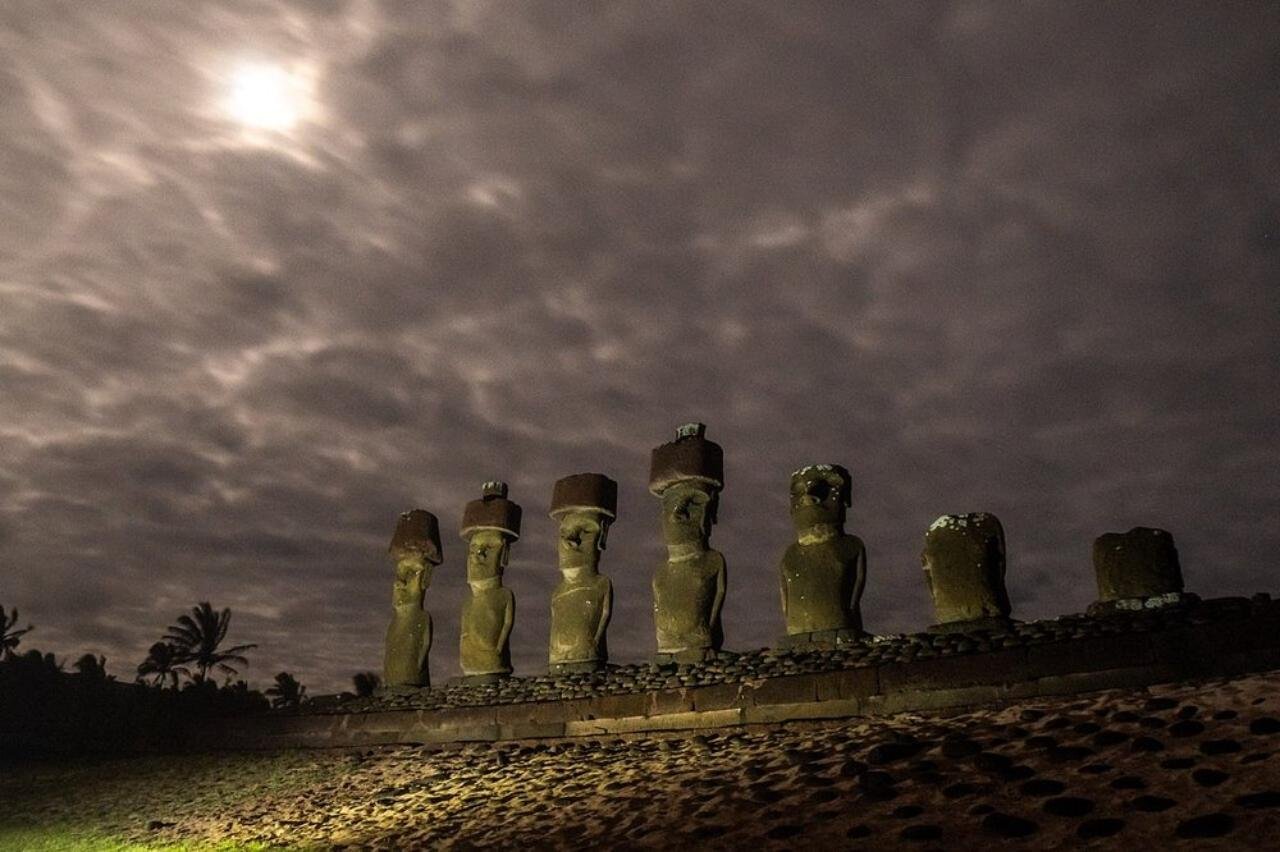
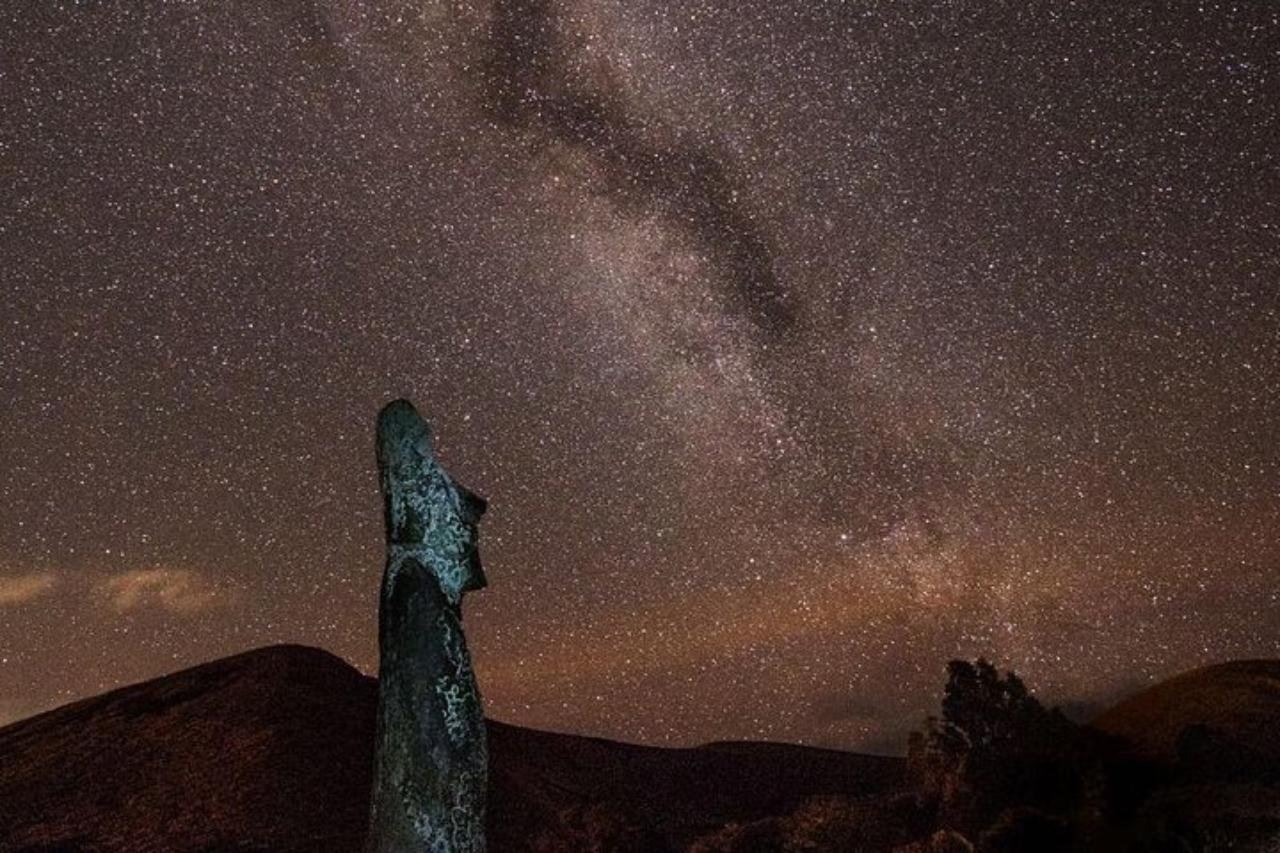
On clear nights the ancestral moai stand silhouetted beneath the stars — a reminder that Rapanui navigators crossed the Pacific by these same constellations centuries ago.
Photo Gallery
Rapa Nui Under the Stars — Through the Lens
Volcanic coastlines, ancestral moai, and the southern night sky over Easter Island.
Book Your Experience
Check Availability & Prices
Select your preferred date and time. Instant confirmation — free cancellation up to 24 hours before departure.
Stargazing Tour vs Going It Alone on Rapa Nui
Wondering whether to book a guided Rapa Nui stargazing tour or just look up on your own? Here's how the options compare.
| Feature | RECOMMENDED Guided Rapa Nui Stargazing Tour | Stargaze on Your Own | Daytime Moai Tour Only |
|---|---|---|---|
| What You Get | Telescope, local guide, naked-eye orientation + Polynesian astronomy | Whatever you can find unaided, no equipment or guidance | Moai, ahu and craters by day — no night sky |
| The Southern Sky Explained | Guide points out the Southern Cross, Magellanic Clouds, planets and nebulae | You're on your own to identify the unfamiliar southern constellations | Not covered |
| Telescope Viewing | ✓ Saturn's rings, Jupiter's moons, nebulae and clusters | Only if you bring your own equipment | Not applicable |
| Getting to a Dark Site | ✓ Pickup + transport to a dark-sky spot away from town lights | Rent a car and navigate unlit roads after dark yourself | Daytime transport only |
| Polynesian Wayfinding Lore | ✓ How the ancestors navigated the Pacific by these stars | Not included | Some cultural context, but daytime and land-based |
| Free Cancellation | ✓ Up to 24 hours before | Not applicable | Varies by tour |
| Starting Price | From $140/per person | Free, but you see and learn far less | From $70/person (daytime sightseeing) |
| Book Now | Browse Tours | Browse Tours |
Come for the Moai, Stay for the Stars
Explore More of Easter Island
The stargazing tour is the headline — but the moai, ahu, and volcanic craters are the gateway. All with free cancellation and instant confirmation.
 MOST REVIEWED
From Hanga Roa: Rapa Nui Culture Sightseeing Tour - 2026 (Verified Reviews)
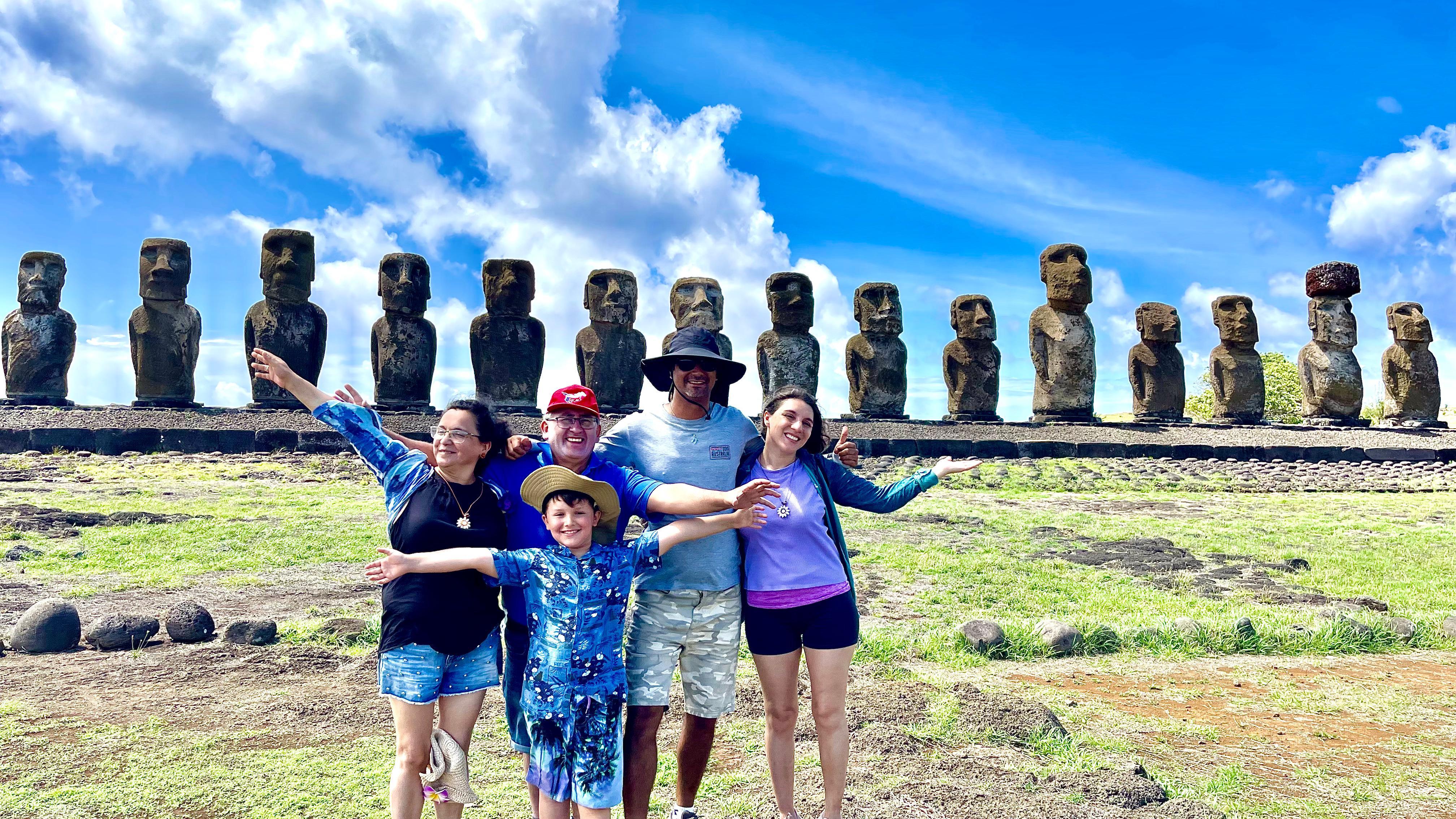
Full-day guided tour of Rapa Nui's iconic ahu and moai — Rano Raraku quarry, the 15 standing moai of Tongariki, and Anakena beach with native local guides.
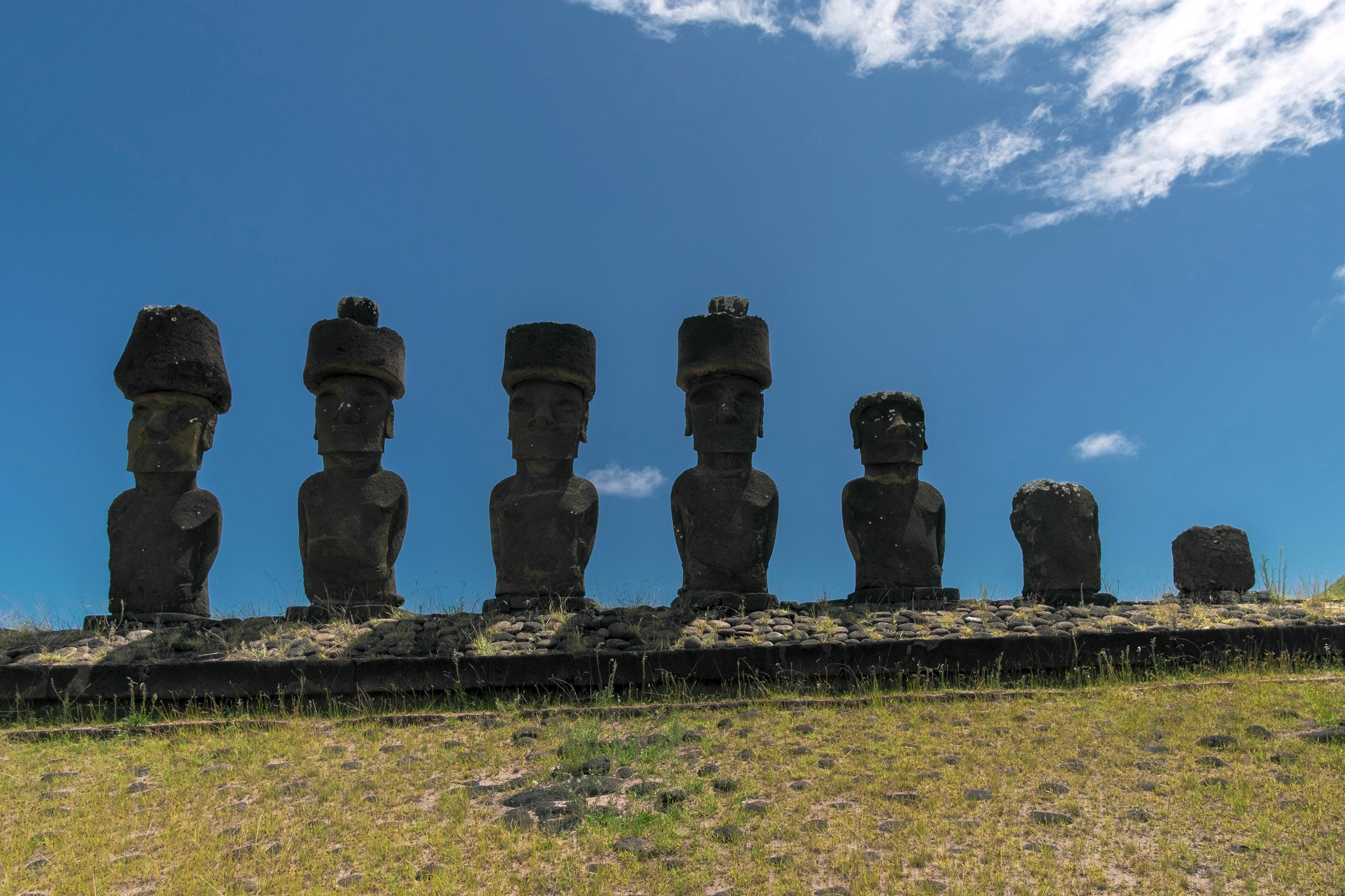 BUDGET PICK
From Hanga Roa: Easter Island Sightseeing Full Day Tour - 2026 (Verified Reviews)
Budget-friendly full-day sightseeing across Easter Island — from Vaihu's coastal ahu to Anakena beach, taking in the island's most important moai sites with a local guide.
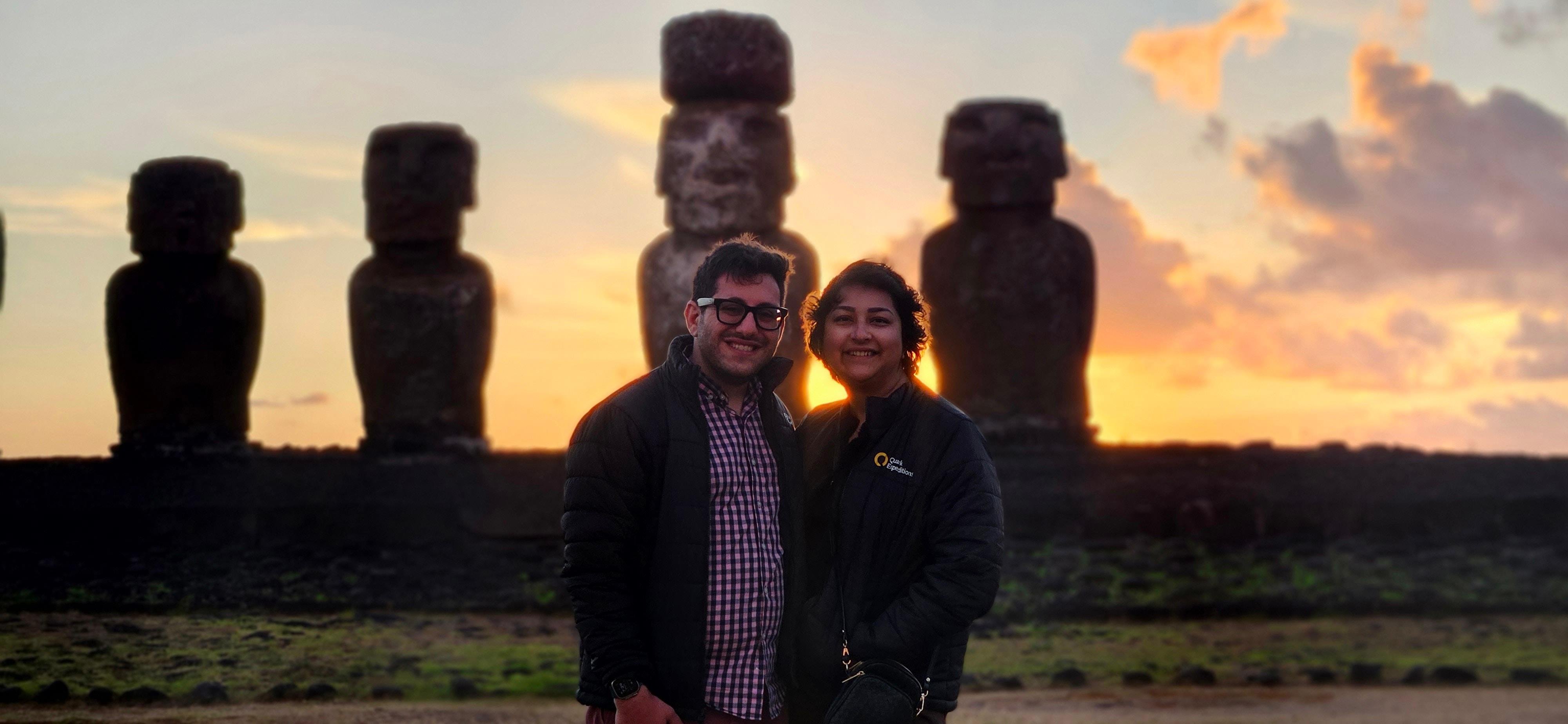 SUNRISE
The Awakening of the 15: Private Sunrise at Ahu Tongariki - 2026 (Verified Reviews)
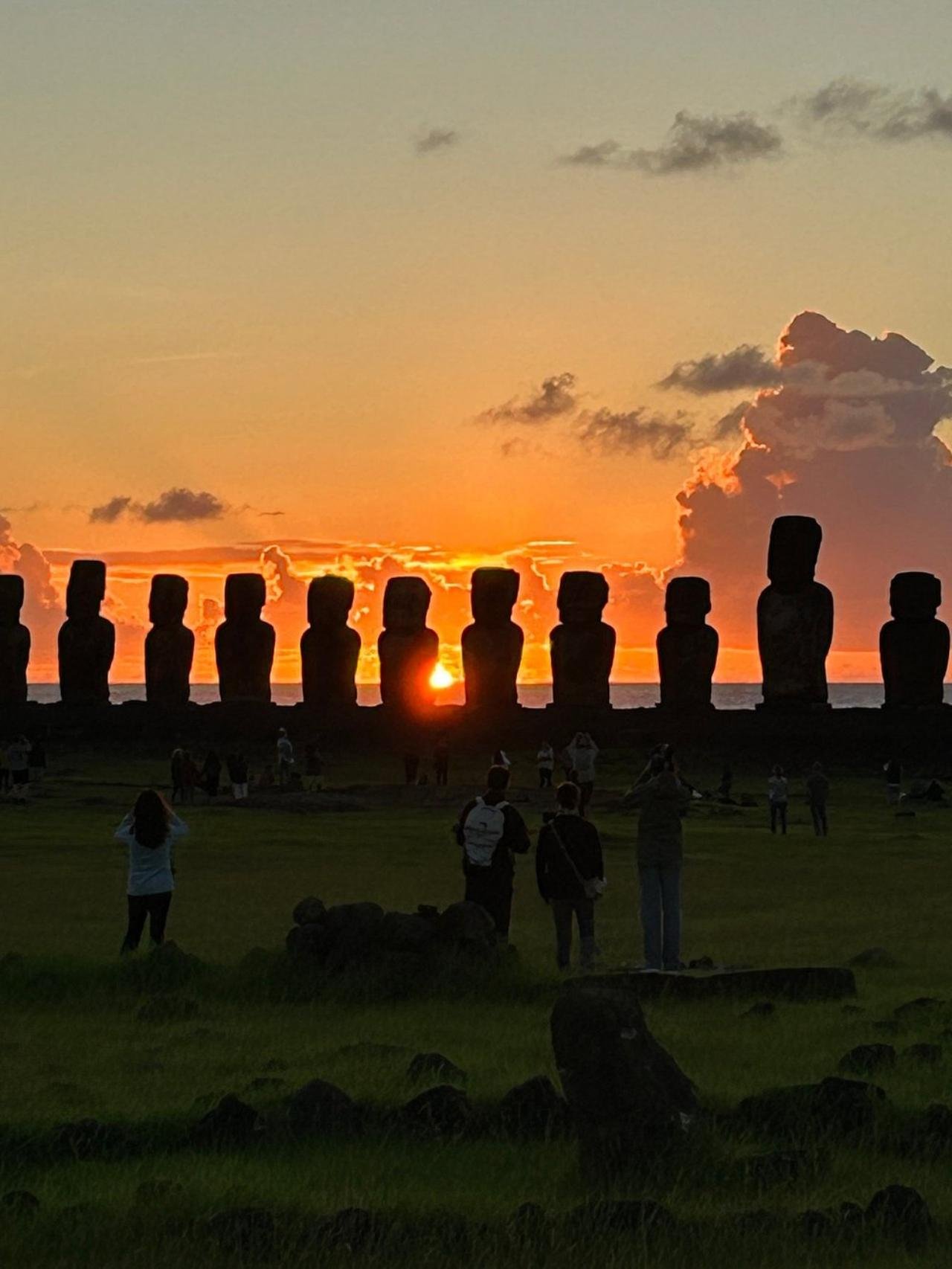
Private dawn experience at Ahu Tongariki — watch the sun rise behind the 15 restored moai, the island's most photographed monument, before the day-tour crowds arrive.
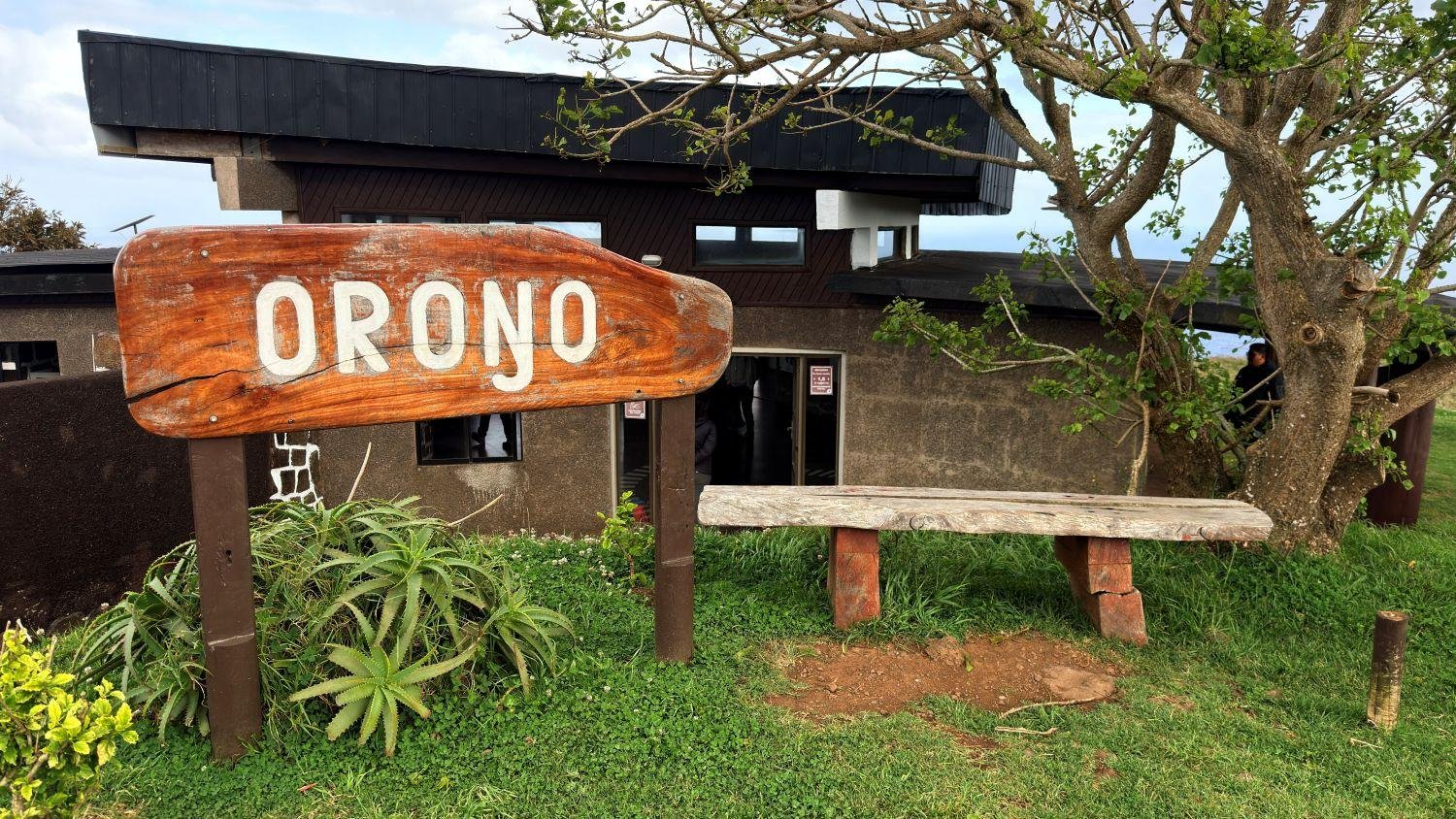 BIRDMAN ROUTE
Birdman Ceremonial Route: Orongo & Rano Kau Half-Day Tour - 2026 (Verified Reviews)
Half-day walk of the Birdman ceremonial route — the Rano Kau volcanic crater and the cliff-top village of Orongo, heart of the Tangata Manu cult.
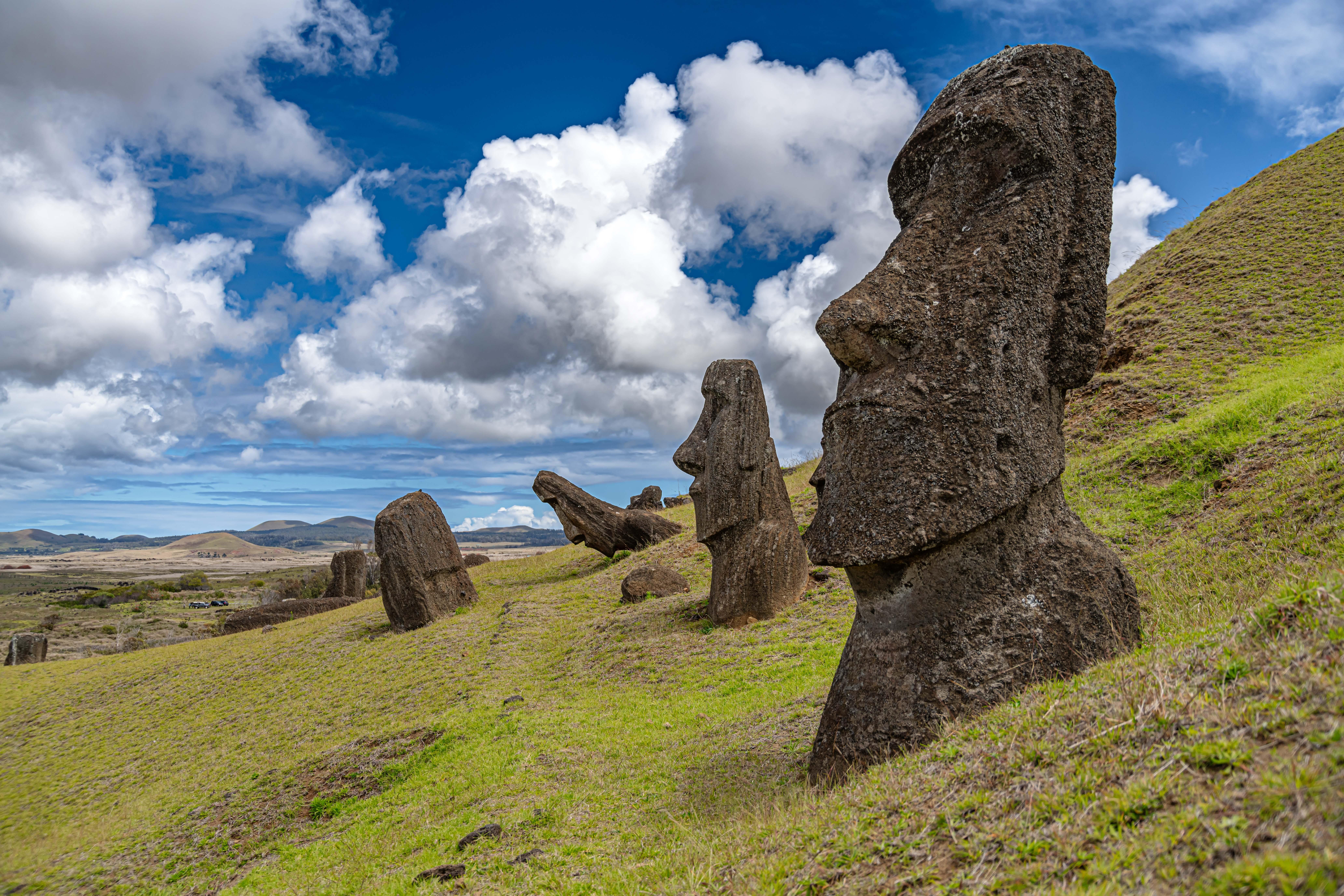 2-DAY HIGHLIGHTS
From Hanga Roa: Easter Island Highlights 2-Day Tour - 2026 (Verified Reviews)
Two-day deep dive into Easter Island's highlights — Tongariki, Rano Raraku, Anakena, Orongo, Ahu Akivi and the island's caves with expert native guides.
The Navel of the World
Stargazing on Rapa Nui: Earth's Darkest, Most Remote Skies
Why Easter Island is one of the planet's great stargazing destinations — and how to experience it with respect for the Rapanui people and their ancestors.
Rapa Nui — the island most of the world knows as Easter Island — is one of the most isolated inhabited places on the planet. The nearest continental coast lies more than 3,500 kilometres away, and the only commercial flights are LATAM’s roughly five-and-a-half-hour service from Santiago, Chile. That extreme remoteness is exactly what makes the island so extraordinary after dark: with a single small town, Hanga Roa, and almost no other artificial light, Rapa Nui has some of the lowest light pollution of anywhere people actually live. Step away from the handful of streetlights and the southern sky opens up with a clarity that most travellers have simply never seen.
A southern sky you can’t see from home
For visitors from the Northern Hemisphere, the night sky over Rapa Nui is genuinely foreign. The familiar Big Dipper is gone; in its place rise the Southern Cross and the two Magellanic Clouds — companion galaxies to our own Milky Way, visible to the naked eye only from southern latitudes and only where the sky is truly dark. The band of the Milky Way arches overhead so brightly it can cast a faint shadow, and on a clear, moonless night the core of the galaxy hangs above the Pacific like a smear of light. A guide with a telescope will pull in Saturn’s rings, Jupiter’s moons, the Orion Nebula and star clusters that are little more than smudges to the unaided eye.
Wayfinding by the stars
The night sky here is not just scenery — it is the reason Rapa Nui is inhabited at all. The island was settled by Polynesian voyagers, most securely dated to roughly 800–1200 AD, who crossed thousands of kilometres of open ocean in double-hulled canoes without instruments. They navigated by a “star compass”: memorising where specific stars rose and set on the horizon and steering by them through the night. Stars such as those of the Southern Cross and the bright southern star Canopus were part of a living knowledge system passed down orally. A good Rapa Nui stargazing guide doesn’t just name constellations — they explain how those same points of light were read as a map, and how that map carried the ancestors of today’s Rapanui across the largest ocean on Earth.
Where the stars meet the moai
The island’s most famous residents add something no observatory can: the moai. These monumental stone figures, carved by the Rapa Nui people between roughly the 13th and 16th centuries, represent revered ancestors set to watch over their communities. On a clear night the silhouettes of the moai standing on their ahu platforms beneath a sky full of stars is one of travel’s quietly unforgettable sights — the people who raised them once steered by those very constellations.
A word of respect matters here. The moai and the ground in front of the ahu are tapu — sacred, and in places forbidden to enter. Visitors may not climb on the platforms or touch the statues, both because they are fragile and because they remain spiritually significant to the Rapanui, who are the island’s Polynesian Indigenous people. Almost the entire island is protected as Rapa Nui National Park, a UNESCO World Heritage Site, and many sites legally require a local guide and a park ticket. Booking a small-group tour with island guides is not just the easiest way to see the stars — it is the respectful one.
When to go, and how it works
Rapa Nui can deliver brilliant skies year-round, but the austral summer (roughly November–March) is the island’s driest, sunniest stretch, with the most clear nights; the winter months (about June–August) tend to be cloudier and wetter. The single biggest factor, though, is the Moon: stargazing is at its best around the new moon, and the dedicated Rapa Nui stargazing tour typically does not run in the nights bracketing the full moon, when moonlight washes out the faint detail. If dark skies are a priority, plan your dates around the lunar calendar before you book flights.
The tour itself is straightforward. After sunset, a local guide collects you in Hanga Roa, drives to an open dark-sky site away from the town’s lights, and runs a small-group session combining naked-eye orientation, telescope viewing and Polynesian astronomy storytelling — often finishing with a photography session under the Milky Way. It is the one experience on the island built specifically around the night sky.
Honest expectations
This is a genuinely small niche: there is essentially one dedicated stargazing product on Rapa Nui, run by local operators as a third party (there is no “official” island astronomy authority). Most of what you’ll find listed for Easter Island are daytime moai and archaeology tours — full-day circuits of Tongariki and Rano Raraku, dawn at Ahu Tongariki, the Birdman route at Orongo. Those are the gateway: come for the moai, stay for the stars. Pair a couple of daytime archaeology tours with a clear, moonless night, and you’ll understand both halves of why this island has drawn travellers — and navigators — for a thousand years.
Ready to look up from the loneliest island on Earth? Check availability for the Rapa Nui stargazing tour.
Guest Reviews
What Stargazers Say
4/5
from 22 verified guests
"brilliant. We got to see the stars and have an explanation from Marc on the constellations and how the stars were used to navigate. We ended up having private access to the beach at night and seeing the stars and taking pictures next to the Moai. Marc also sang a traditional song to round off the evening. if we wanted to take private pictures of the stars on our phones (via tripod) that was allowed as well. A very memorable experience"
"I loved it! Absolutely stunning skies! Make sure to bring a jacket"
Read all 22 verified reviews
See All ReviewsSee the Southern Sky from the Most Remote Island on Earth
Join a small-group Rapa Nui stargazing tour — telescopes, local guides, and Polynesian wayfinding lore under near-zero light pollution. Free cancellation up to 24 hours before. Starting from $140 per person.
Check Availability & BookCan't Make These Dates?
Browse More Available Options
Find a tour that fits your schedule — all with instant confirmation and free cancellation.
Frequently Asked Questions About the Rapa Nui Stargazing Tour
Everything you need to know before booking your Easter Island stargazing experience.
The featured Rapa Nui Stargazing Tour starts from around $140 per person. This includes a local guide, telescope viewing, naked-eye orientation of the southern sky, and pickup from your accommodation in Hanga Roa. Free cancellation is available up to 24 hours before the tour.
On a clear, dark night you'll see the Milky Way arching overhead, the Southern Cross, and the two Magellanic Clouds — companion galaxies visible only from the Southern Hemisphere. Through the telescope your guide will show planets such as Saturn and Jupiter, plus nebulae and star clusters. The guide also explains the Polynesian navigation stars that brought the first settlers to Rapa Nui. See what to expect on the Rapa Nui stargazing tour for a full walkthrough of the evening, and our guide to Polynesian astronomy and the Rapa Nui night sky for the stars behind the story.
The dry season — roughly the cooler winter months from about May to September — tends to offer the clearest, most reliable night skies, though Rapa Nui can deliver brilliant skies year-round. The single biggest factor is the Moon: skies are darkest around the new moon. The dedicated stargazing tour generally does not run on the nights bracketing the full moon, when moonlight washes out faint detail. Read our full guide to the best time for stargazing on Easter Island to plan your dates around the new moon and the seasons.
Rapa Nui is one of the most remote inhabited islands on Earth, with a single small town (Hanga Roa) and almost no other artificial light. That means near-zero light pollution. Combined with its clean mid-ocean air and Southern Hemisphere position, it offers some of the darkest, clearest skies anywhere people actually live — including objects you simply can't see from the Northern Hemisphere. Learn more in our guide to Polynesian astronomy and the Rapa Nui night sky.
Weather is the one thing no tour can guarantee — sessions depend on clear skies, and operators may reschedule or cancel for cloud. The stargazing tour is also planned around the lunar calendar and typically does not operate in the nights immediately before and after the full moon. If dark skies are a priority, plan your dates around the new moon and allow a spare night in case of clouds — see our guide to the best time for stargazing on Easter Island.
The only commercial flights are operated by LATAM from Santiago, Chile (airport code SCL to IPC), a journey of about five and a half hours. Most international travellers overnight in Santiago before continuing. There are no ferries; flying via Santiago is the standard route. See our full guide on how to get to Easter Island for flights, the national park ticket, and getting around.
Yes. Almost the entire island is protected as Rapa Nui National Park, a UNESCO World Heritage Site. Many archaeological sites require a valid park entrance ticket, and several legally require you to be accompanied by an authorised local guide. Booking guided tours is both the easiest and the most respectful way to visit.
Photographing the moai from the permitted areas is fine and is part of many tours. What's not allowed is climbing on the ahu platforms or touching the statues — they are fragile and remain sacred (tapu) to the Rapanui, who regard the moai as ancestors. Always follow your guide's instructions and stay on marked paths.
For travellers who have never seen a truly dark Southern Hemisphere sky, it's a rare experience — the Magellanic Clouds, the Southern Cross, and the Milky Way over an island settled by star-navigators a thousand years ago. It's a small-group tour with local guides and telescopes, and guests consistently rate the southern sky here as among the best they've seen. Pair it with daytime moai tours for the full island.
Bring a warm layer — even in summer the open coast is cool and breezy after dark, and you'll be standing still for a while. Closed shoes are best for uneven ground. Avoid using your phone's bright screen so your eyes can adjust to the dark, and let your guide know if you'd like help photographing the night sky.
Still have questions? Email us at info@rapanuistargazingtour.com